

Electric vs. Gas-Powered Go-Karts: A Detailed Guide to Use Cases and Buying Considerations
In the commercial karting sector, both electric and internal combustion (gasoline) powertrains offer distinct advantages. For track operators, choosing a powertrain is not merely a matter of preference; it is a business decision requiring a comprehensive assessment of track conditions, operational models, maintenance costs, and regulatory compliance. The following analysis examines four key dimensions to help buyers establish a clear framework for selection.
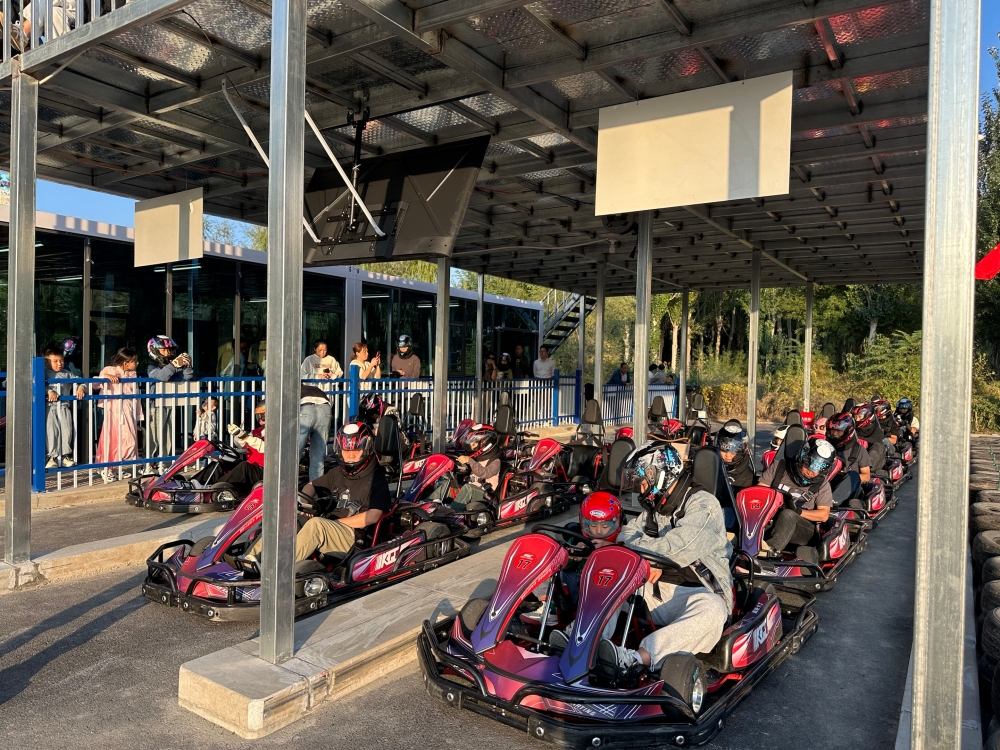
I. Power Characteristics and Driving Experience
Electric karts are driven by electric motors, delivering maximum torque the instant the accelerator is pressed. Drivers experience immediate responsiveness, with power delivery that is smooth and easy to control. For commercial operations catering primarily to first-time drivers, this helps minimize the risk of handling errors caused by abrupt power surges. In contrast, gasoline karts rely on the operating characteristics of internal combustion engines, where power output builds progressively as engine speed (RPM) rises. Four-stroke recreational models feature relatively flat torque curves, allowing most drivers to build confidence gradually, whereas two-stroke racing models unleash powerful bursts of energy at high RPMs, demanding greater driving skill. Leading manufacturers carefully consider these output characteristics during vehicle tuning; through chassis matching and gear ratio optimization, they ensure both types of karts are perfectly suited to their respective operational environments.
II. Track Suitability: Key Considerations for Indoor and Outdoor Environments
The type of track is the most critical factor in the selection process. Electric karts produce no exhaust emissions and operate with significantly lower noise levels than internal combustion engines, allowing them to run in enclosed venues without complex mechanical ventilation systems. This makes them ideal for indoor shopping mall locations, underground spaces, and urban city-center venues. Electric karts also hold a natural advantage in areas subject to noise regulations, as rules restricting the operating hours of gasoline-powered karts often exempt electric models. Gasoline karts are better suited for large outdoor tracks, professional racing circuits, and open-air scenic areas. The engine's exhaust note and the rich sensory feedback provided by mechanical vibrations are highly prized by drivers seeking an authentic racing experience. In open-air environments, exhaust fumes and noise are naturally dissipated, allowing the dynamic performance characteristics of gas-powered karts to be fully unleashed. Manufacturers offering both electric and gas-powered product lines can provide customers with objective model recommendations based on specific venue conditions, without favoring one type over the other.
III. Comparison of Operating Costs and Maintenance Efficiency
Cost structure is a variable that cannot be overlooked in long-term operations. Regarding daily energy consumption, the electricity cost per operating hour for electric karts is significantly lower than the fuel cost for gas-powered karts; in high-frequency commercial settings, this gap translates into a substantial difference in annual costs. Differences in maintenance are equally significant: gas-powered karts require regular engine oil changes, carburetor cleaning, and servicing of exhaust systems and spark plugs, while their drivetrains contain numerous moving parts subject to frequent wear and replacement. In contrast, the drivetrain of an electric kart is greatly simplified—eliminating the need for oil changes, exhaust system maintenance, or spark plug replacements—with routine maintenance focused on common components like braking systems and tires. Data from established operations indicates that the labor cost for maintenance per operating hour for electric karts is roughly one-third to one-half that of gas-powered karts with comparable performance. While electric solutions do entail periodic battery pack replacement costs, continuous advancements in power battery technology and declining unit costs are significantly narrowing this long-term cost gap. Professional manufacturers provide detailed maintenance schedules and lifecycle cost estimates upon vehicle delivery, assisting buyers in making choices that align with their specific business models.
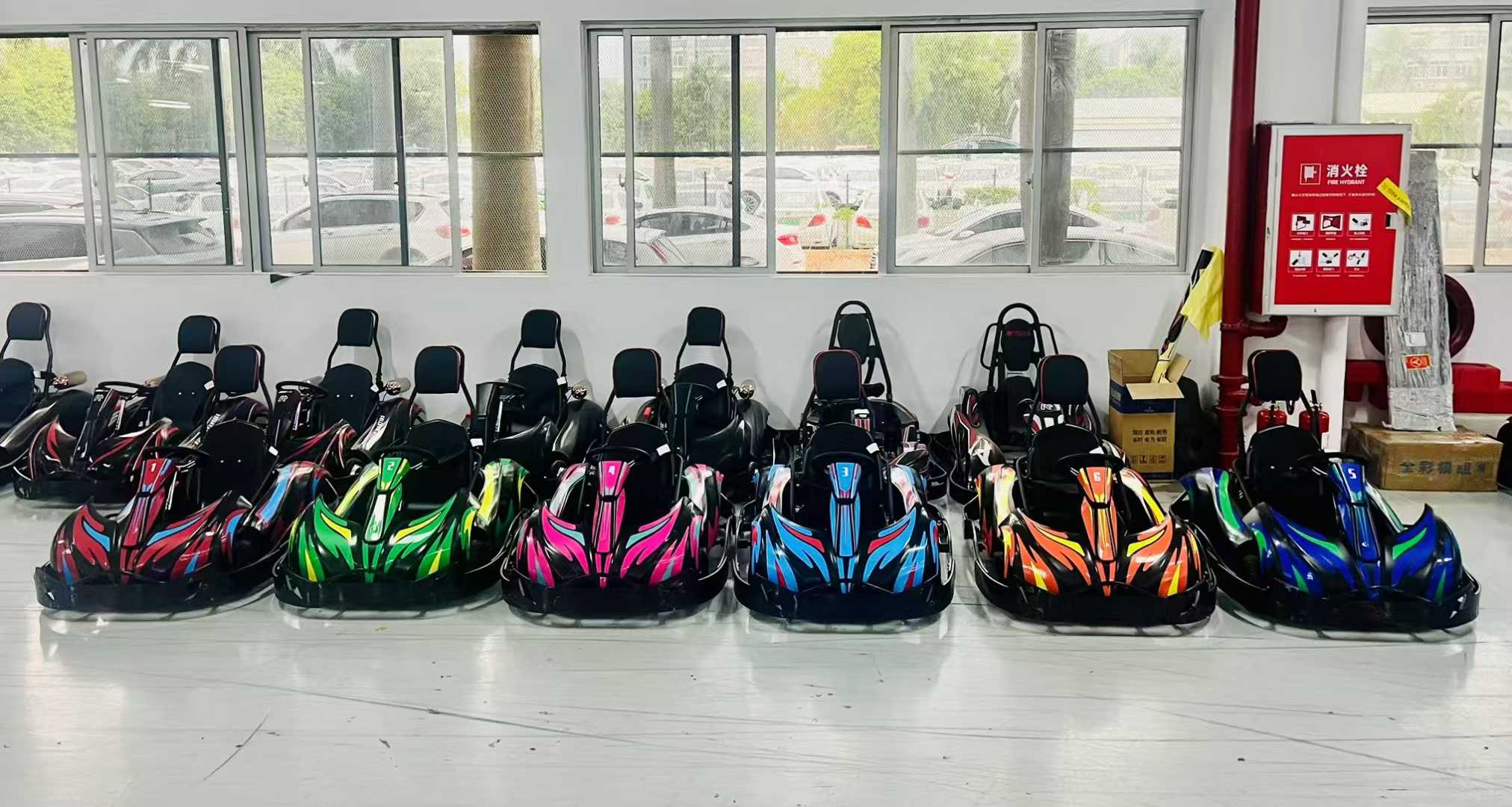
IV. Compliance Requirements and Regional Policy Alignment
Environmental regulations and safety standards for commercial recreational vehicles vary by region. Electric karts produce no exhaust emissions during operation, offering inherent compliance advantages for indoor venues and areas sensitive to air quality, as they require no additional exhaust treatment or forced ventilation systems. Gas-powered karts, however, must meet local emission standards and noise limits; in regions with strict vehicle access policies, they may face restrictions on operating hours or requirements for specific additional equipment. Market trends indicate a growing preference for electric solutions in the commercial karting sector, with an increasing number of new venues and urban redevelopment projects prioritizing electric karts. Manufacturers with R&D capabilities across multiple powertrain platforms can provide clients with regulatory compliance assessments and tailored vehicle recommendations based on local environmental policies, power supply conditions, and specific venue characteristics.
V. Guidance on Model Selection
Electric karts offer distinct advantages for indoor venues, city-center locations, and noise-sensitive areas; their smooth power delivery and low maintenance requirements make them particularly well-suited for high-frequency commercial operations catering to the general public. Conversely, internal combustion engine (ICE) karts remain indispensable for outdoor tracks, professional racing arenas, and operational environments that prioritize the mechanical feel of the engine and extended range capabilities. The final selection decision should be based on a comprehensive evaluation of venue characteristics, target customer demographics, long-term financial modeling, and the local regulatory framework.
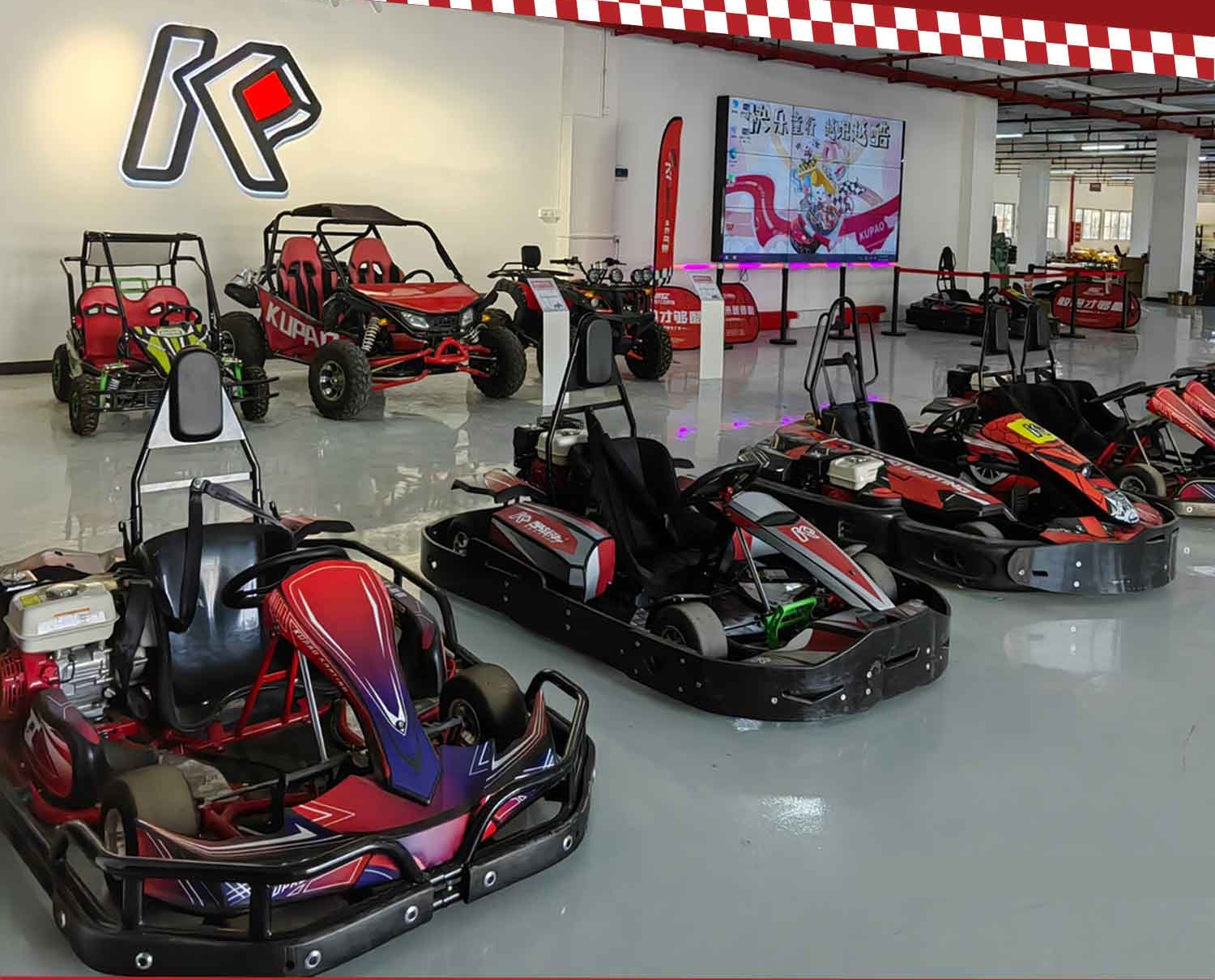
As a primary manufacturer specializing in the R&D and production of complete karts, KUPAO KARTING possesses full development and manufacturing capabilities for both electric and ICE product lines. We understand the diverse powertrain requirements of different venues and offer tailored vehicle recommendations and customization services based on specific site conditions, operational models, and local regulations.
Please feel free to contact the KUPAO KARTING team for detailed information on specific models or for selection advice tailored to your venue. We are dedicated to leveraging our professional expertise and service capabilities to help every venue identify the optimal powertrain solution.


