

Commercial Go-Kart Procurement Guide: Key Considerations from Vehicle Selection to Venue Compatibility
Purchasing go-karts for commercial operations is far more complex than a simple equipment acquisition. Indoor mall tracks, outdoor amusement parks, and professional racing circuits impose vastly different operational demands on the vehicles; consequently, the choice of vehicle directly impacts safety risks, maintenance costs, and the customer experience. The following key points are essential decision-making criteria for any procurement manager.
I. Vehicle Safety: The Operational Bottom Line
Safety is the non-negotiable foundation of any commercial operation. Top-tier manufacturers employ high-tensile steel tubing for the chassis structure and incorporate well-designed energy-absorbing crumple zones to effectively protect the driver's torso during a collision. Braking system reliability is equally critical; hydraulic disc brakes should be standard, as their linear response characteristics prevent the loss of control associated with wheel lock-up or lag.
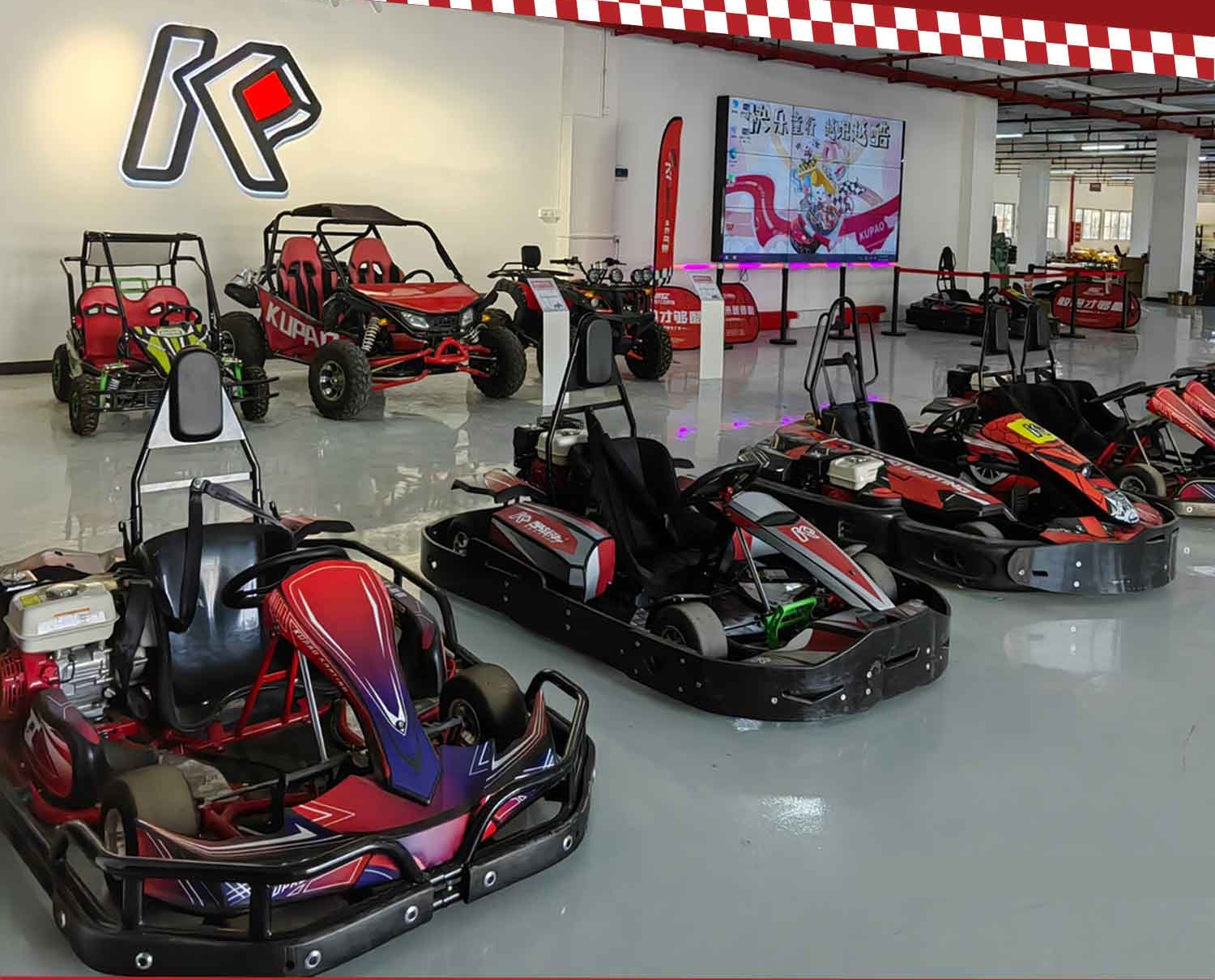
Furthermore, the selection process must verify specific safety features: seat mounting methods, the durability of five-point harness buckles, intrusion-resistant steering column designs, and the rigidity of side-impact bumpers. For venues catering primarily to novices or young drivers, manufacturers should offer vehicles with electronic speed-limiting capabilities—controlled via administrator access or backend software—rather than relying on simple physical limiters. Controllable speed ensures controllable risk.
II. Material Durability: Withstanding the Rigors of All-Weather Operation
Commercial operations entail prolonged, high-frequency usage. Given the vast differences in regional climates—such as salt-spray corrosion in coastal areas, dust intrusion in arid regions, or exposure to de-icing agents in cold zones—the weather resistance of vehicle materials faces severe challenges.
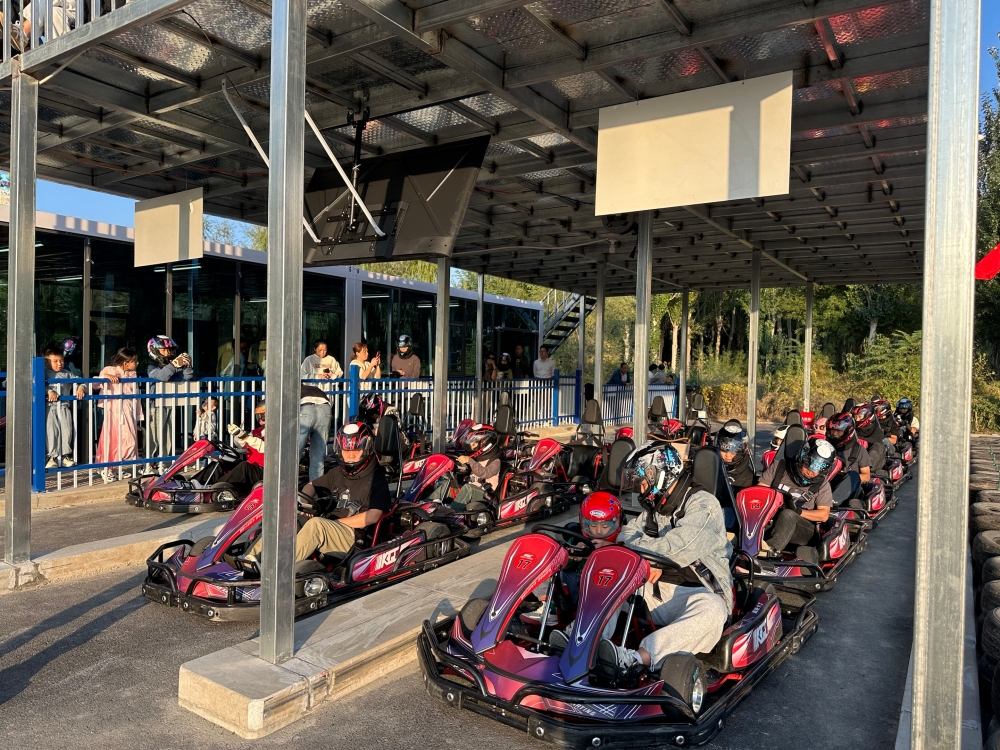
Procurement teams should closely evaluate the manufacturer's material specifications: Does the chassis surface treatment utilize an electrophoretic primer combined with outdoor-grade powder coating to resist long-term rust? Have moving parts, such as steering tie rods and wheel hub bearings, undergone anti-corrosion treatment? Are plastic body panels made from UV-resistant engineering plastics to prevent embrittlement and discoloration from prolonged sun exposure? For outdoor venues, vehicle wiring harness connectors must feature reliable waterproof sealing to prevent downtime caused by short circuits or poor contact in humid environments. Selecting the right materials is essential for keeping maintenance costs under control throughout the vehicle's lifecycle.
III. Voltage Compatibility and Charging Solutions
Grid standards vary across different countries and regions. Professional go-kart manufacturers should provide charging systems that support wide-voltage input, ensuring stable operation in diverse electrical environments without the need for additional voltage conversion equipment.
A deeper consideration lies in the matching logic between the battery pack and the charger. Different battery types have distinct charging characteristics; mismatched charging curves can accelerate battery degradation or even pose a risk of thermal runaway. Top-tier manufacturers provide certified charging systems featuring built-in communication protocols between the Battery Management System (BMS) and the charger, ensuring the process remains within safe constant-voltage and constant-current parameters. Additionally, to accommodate venue-specific power capacity limits, it is advisable to select models equipped with dual-interface options for both fast and slow charging. For remote venues with limited power supply, manufacturers can also offer direct charging solutions via generator sets as a backup, ensuring operations continue uninterrupted by grid fluctuations.
IV. Compliance Standards and Certification Systems
Exported vehicles must meet the mandatory regulatory requirements of the target market. Reliable manufacturers incorporate directives regarding mechanical safety, electromagnetic compatibility (EMC), and eco-friendly materials into their design specifications during the R&D phase and complete full-vehicle type testing prior to mass production.
Beyond standard certifications, however, it is crucial to consider local regulations governing "vehicles used in commercial venues." The integrity of the compliance chain directly determines whether the equipment can clear customs smoothly and enter commercial operation legally.
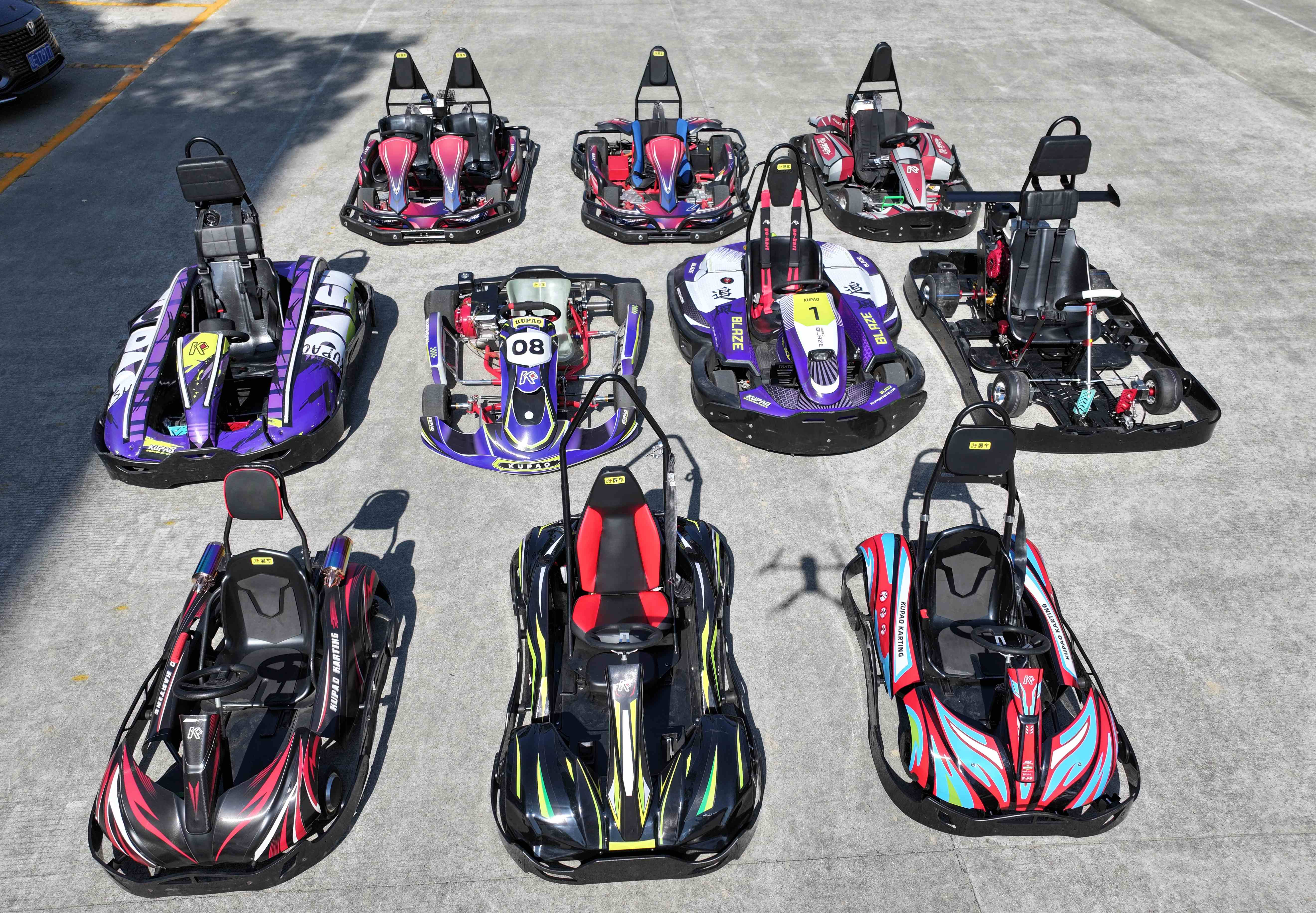
As an original manufacturer specializing in go-kart R&D and production, KUPAO KARTING serves global clients with comprehensive vehicle-level engineering capabilities. We support multi-dimensional customization—including voltage standards, speed-limiting logic, and exterior branding—and offer model recommendations and traffic flow optimization plans based on your venue's spatial data.
Please feel free to contact us for detailed model information or recommendations tailored to your specific venue. KUPAO KARTING is dedicated to ensuring that every complete kart becomes a trusted asset within your business portfolio.